Services where blast-heavy sending piles up fatigue and opt-outs
The audience narrows to behaviour, and the total number of messages one person receives is held under a cap.
A campaign automation service that weaves segments, triggers, and multichannel messages into journeys that run on time.
01Overview
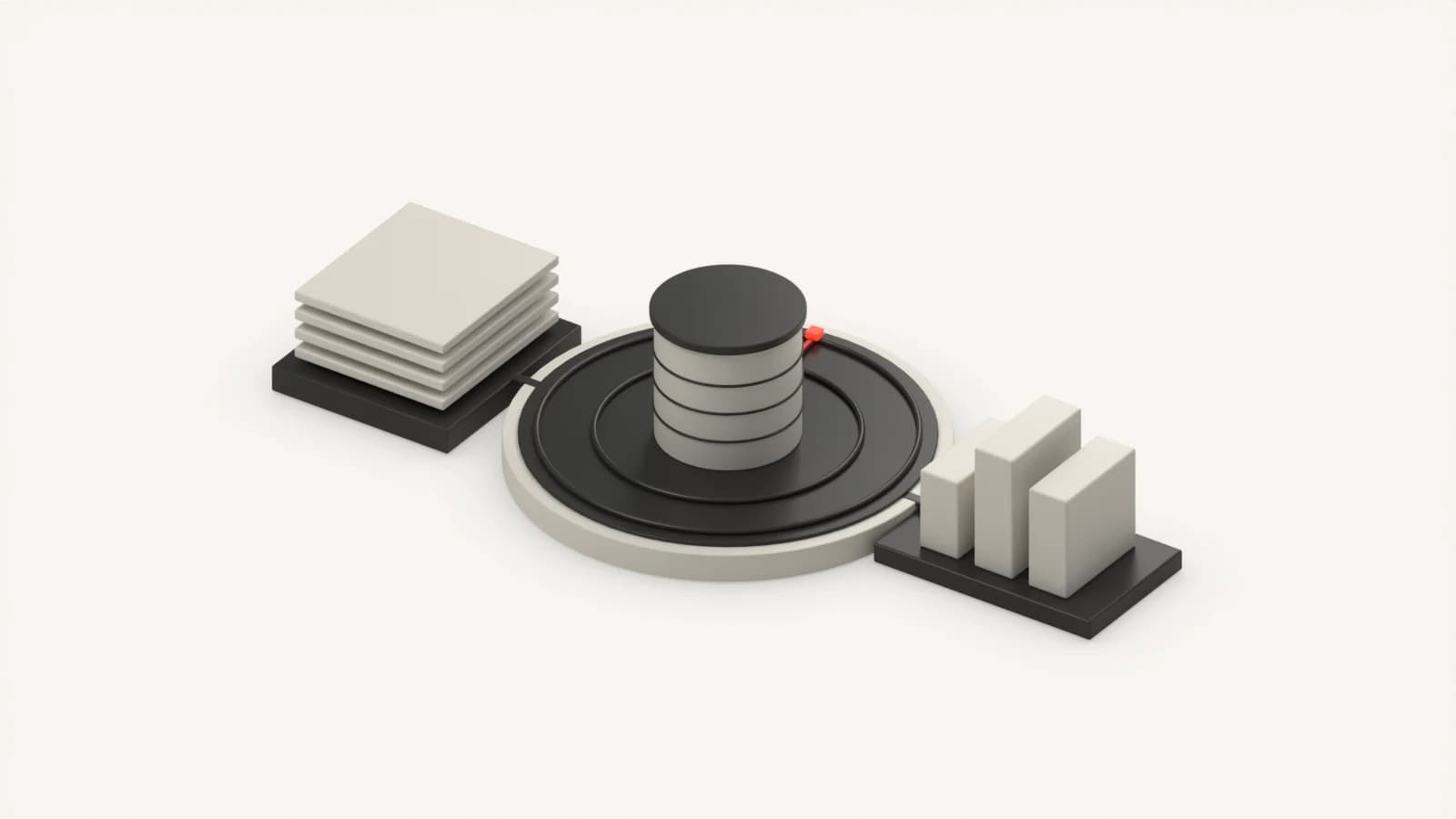
Journey Orchestration weaves segments, triggers, and multichannel messages into journeys that execute automatically at the right moment. Journeys is the OneSignal customer-journey builder. Behaviours such as sign-up or lapse become signals that chain push, email, in-app messages, and SMS by condition and wait time.
02Who it fits
The audience narrows to behaviour, and the total number of messages one person receives is held under a cap.
The window right after sign-up is split into stages, and an onboarding journey carries the user through to the first key action.
Every repeated send moves onto a trigger, so the same campaign keeps running with nobody clicking.
03What we deliver
01
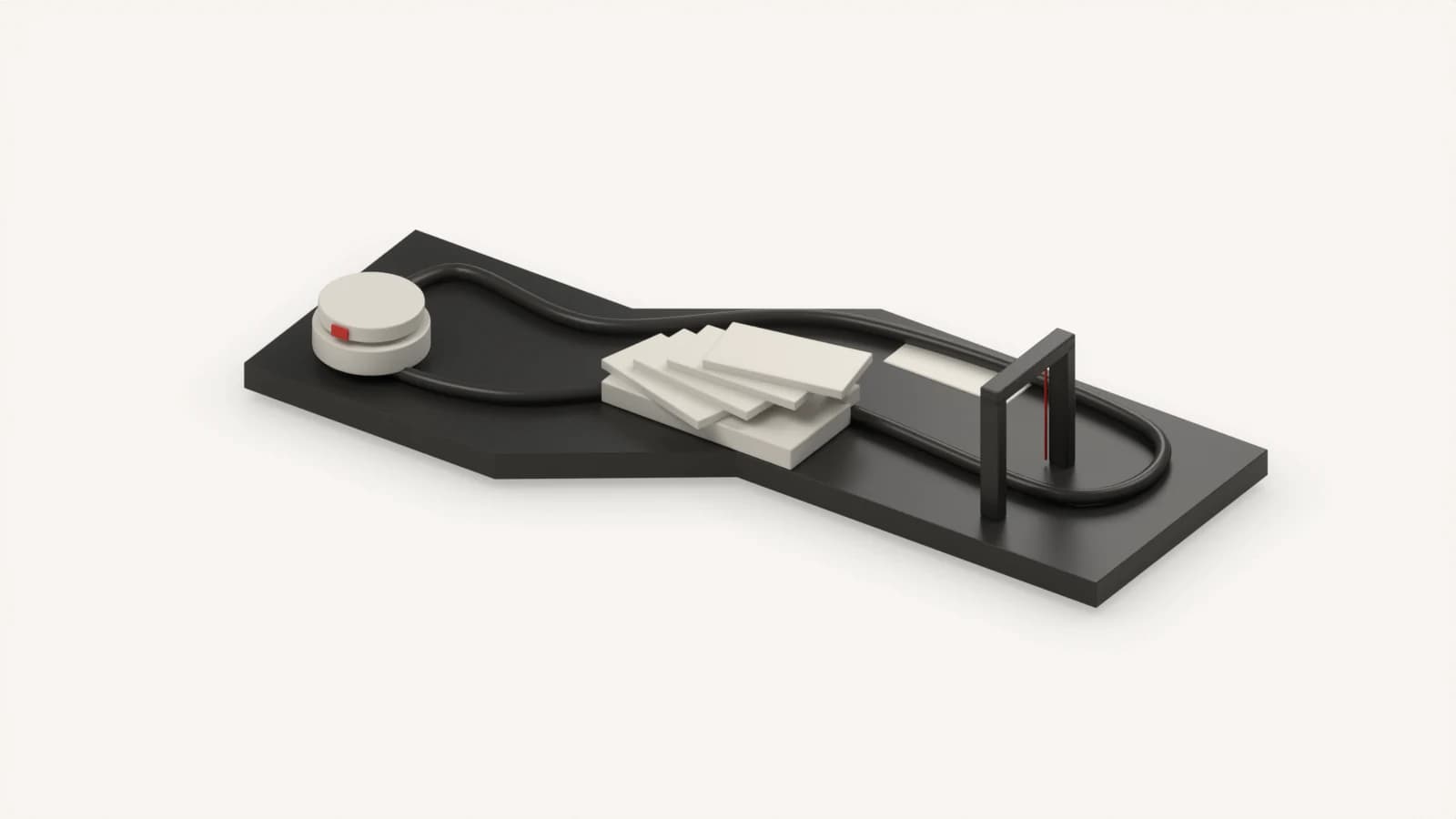
Customer stages from sign-up to dormancy are divided, and the goal and the intervention point for each stage are set. The journey map that remains fits on one page, so a stage with no intervention in it shows up at once.
02
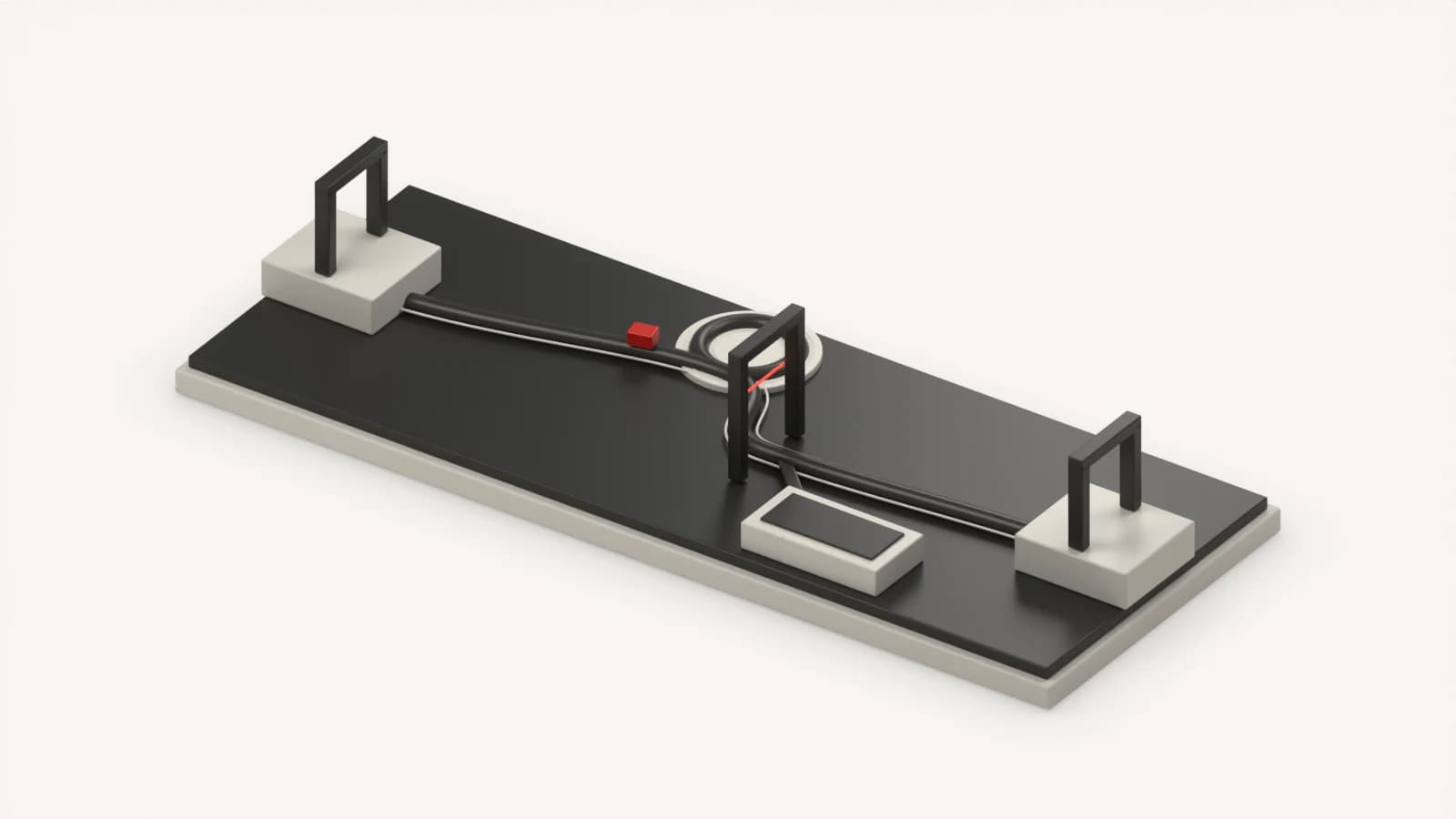
The designed scenarios are implemented as OneSignal journeys, with audience conditions and personalization set up on data tags and events. Send timing is bound to behaviour, so campaigns run without anyone at the controls.
03
Wait times, branch conditions, and channel order inside a journey are compared in experiments, and only the winning configuration moves into the always-on journey. Because the promotion criteria are written down beforehand, a result lands as procedure rather than judgement.
How the service works
Use lifecycle stages and behavior to connect channels and timing, then refine journeys through experiments.
04Why this way
Each point lists the deliverable that backs it.
Stack up automations and they will collide. The onboarding journey overlaps a promotion on the same day, and the win-back audience still holds customers who already came back. So for every journey the exit and exclusion conditions are written as carefully as the entry conditions, and the priority between journeys plus the overall frequency cap are settled as a one-page operating rule.
Backed by
Client work · Cooperative
Cooperative, company C — member management
Member records sat at the centre, and product, stock, and supplier management were built on the same data.
Learn moreOne verified hypothesis outlives one finished journey. So rather than building every stage up front, the single stretch with the heaviest drop-off is picked, stood up as a journey on its own, and checked with an experiment. Because the design and the decision criteria are documented, whoever takes over can trace what is in the structure and why.
Backed by
05How to start
Every stage ends with an agreed scope and a deliverable in your hands.
Step 01
We gather campaign history, customer data structure, and channel status, and turn them into a baseline within two weeks of kickoff.
DeliverableCRM status assessment report
Step 02
We fix one or two key campaigns against the KPIs and settle the data items they require at the design stage.
DeliverableCampaign design and data definition
Step 03
We build the channel integrations, segments, and journeys, then confirm missends and omissions through test sends.
DeliverableWorking campaigns and integration records
Step 04
We review results with you for four weeks after handover and agree the next quarter campaigns in priority order.
DeliverablePerformance report and expansion backlog
06Contract options
07Service levels
2weeks
Baseline diagnosis after kickoff
1–2campaigns
Key campaigns set against the KPI
4weeks
Results reviewed after handover
08Example engagements
Work we took on, plus example engagements where we have no case yet.
All client workAssume a subscription service where automations multiplied until several messages a day were landing on the same person.
Example approachThe renewal notice takes top priority, promotional sends get a cap, and customers who just paid drop into an exclusion segment.
Intended directionMore journeys can be added without the sending piling onto one person.
Members, suppliers, products, and stock all had to run inside one system.
What we doMember records sat at the centre, and product, stock, and supplier management were built on the same data.
What it leavesWhat goes out to members, and the operations behind it, come from one record.
09FAQ
The journeys are operated by your own team once they are handed over. The journey structure, the exit and exclusion conditions, and the promotion criteria are handed across as documents, so conditions can be changed and new journeys added in-house. Where monthly execution and experimentation are handed off as well, Managed CRM Campaign Operations takes that on.
Under the OneSignal announcement, existing accounts need a paid plan for mobile push and in-app messages from October 1, 2026 once they exceed 1,000 MAU. Web push and email stay free, and IXC reviews the transition quote and plan selection with you.
OneSignal is a customer engagement platform used, by its own published figures, by one in four global app publishers. IXC supports adoption and operations in Korea for commerce, media, and gaming.
It splits into the OneSignal licence and the IXC service fee. The licence is usage-based on MAU, and the service fee is quoted per project or as a monthly subscription depending on scope. Send us an inquiry and we will follow up with a detailed quote.
We begin with campaign history, customer-data structure, and channel status. A baseline is prepared within two weeks of kickoff, then one or two key campaigns aligned with KPIs and their required data collection are finalized during design.
We review performance together for four weeks after handover. Results inform the performance report and priorities for campaigns to expand in the following quarter, recorded in an expansion backlog for the internal team.
We share the findings from the first stage, then agree scope and schedule on that basis before delivery. A finished request for proposal is not required: the current environment and the outcome you want are enough to start.
2026-09-26 · 18 min read
Prevent post-purchase cart reminders by checking Journey-entry and send-time eligibility separately and excluding customers whose order is in progress or complete. Investigate event delays, duplicates and identity errors independently.
2026-09-26 · 15 min read
Choose the first campaign by considering the current business bottleneck alongside customer eligibility, data, customer value, operational capacity, and measurement. A large list does not establish readiness if you cannot verify customers’ current status or handle inquiries and withdrawal requests.
2026-09-26 · 18 min read
Compare FCM operations and OneSignal across data, campaign changes, permissions, observability and migration responsibilities. Evaluate direct operation, a platform and a hybrid against the same scope and total cost.
12Related resources
Guides and checklists you can use during review and kickoff.
See all resources2026.09.04
What to verify right before a bulk send, together with the rules that keep journeys from colliding as they multiply.
2026.09.10
A working specification and completed example for agreeing on customer goals, entry, branching, exit, re-entry, and test evidence.
2026.09.10
Connect account changes, delayed events, Journey exits and link navigation to test data, expected outcomes and execution evidence.
Contact
Tell us your current environment and target outcome, and our team will review it and reply.
Direct line
Phone lines are open weekdays 09:00–18:00
ServiceJourney Orchestration
Collection and use of personal information
You may decline; the inquiry cannot be submitted without consent.
More ways to explore