Organizations whose cloud bill keeps rising with no clear driver
The increase is broken down against services and change history to name the decision that raised it.
A FinOps service that splits out spend to expose the cause and sustains the savings through action and guardrails.
01Overview
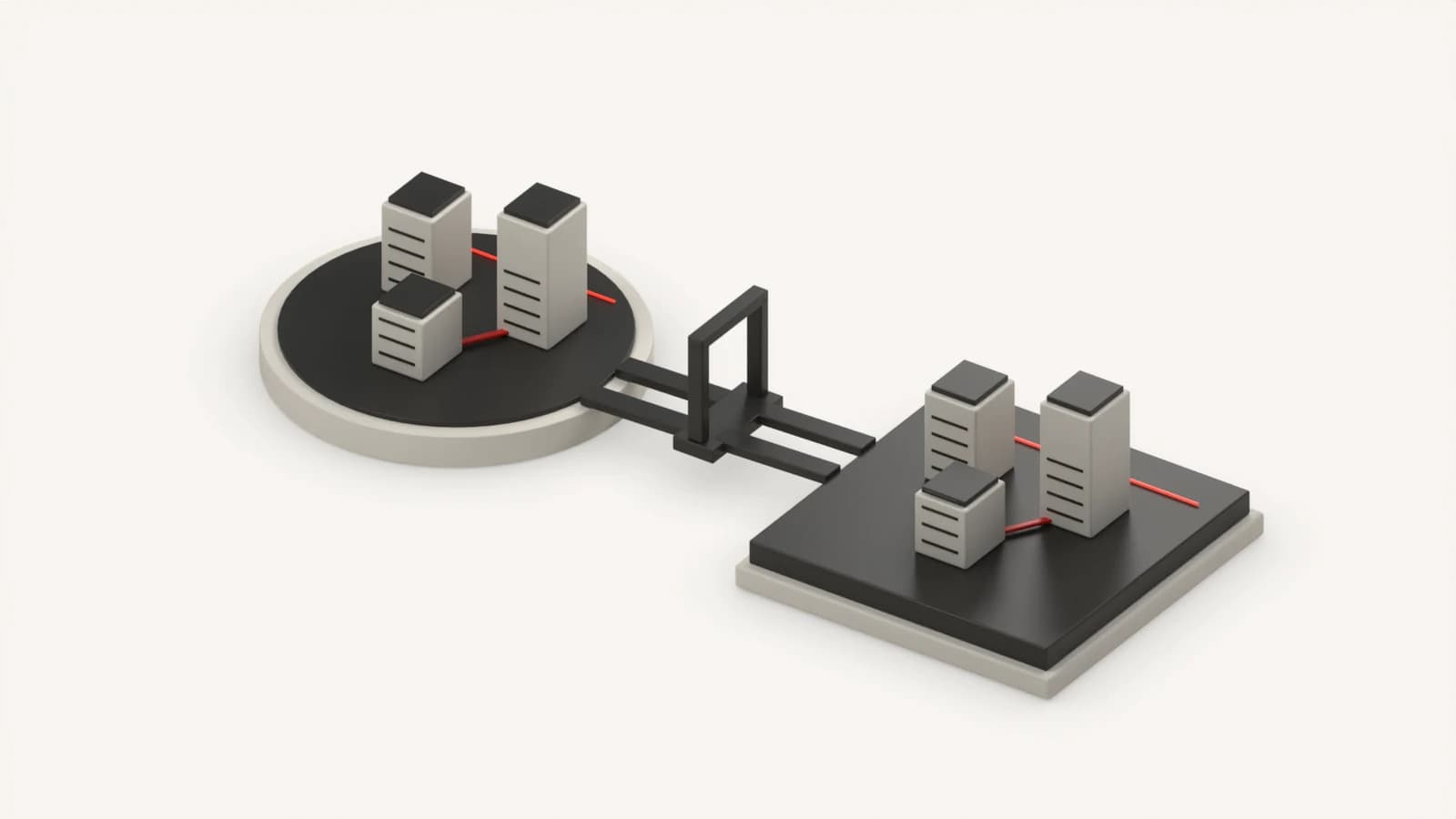
Cloud Cost Optimization splits the bill to expose what is driving spend, then carries the remediation and the guardrails into operations. The bill is read by account, service, and team. Right after a migration or a redesign the savings average 30% or more, and afterward budget alerts and tagging rules hold that level.
02Who it fits
The increase is broken down against services and change history to name the decision that raised it.
Tags and account structure are cleaned up so each team gets its own bill, allocated the same way every month.
Budget alerts and idle-resource reclamation go into the operating procedure to catch spend before it comes back.
03What we deliver
01
Current spend is split by account, service, and team into a baseline that can be compared over time. Later increases are checked against each account's change history to name the decision that raised the cost.
02
Underused resources and pricing-plan candidates are listed together with their business impact. Working from the lowest-risk items down cuts spend without interrupting the service.
03
Budget thresholds, anomaly detection, and blocking of untagged resources are set as account policy. Fewer problems wait until next month's bill to surface.
How the service works
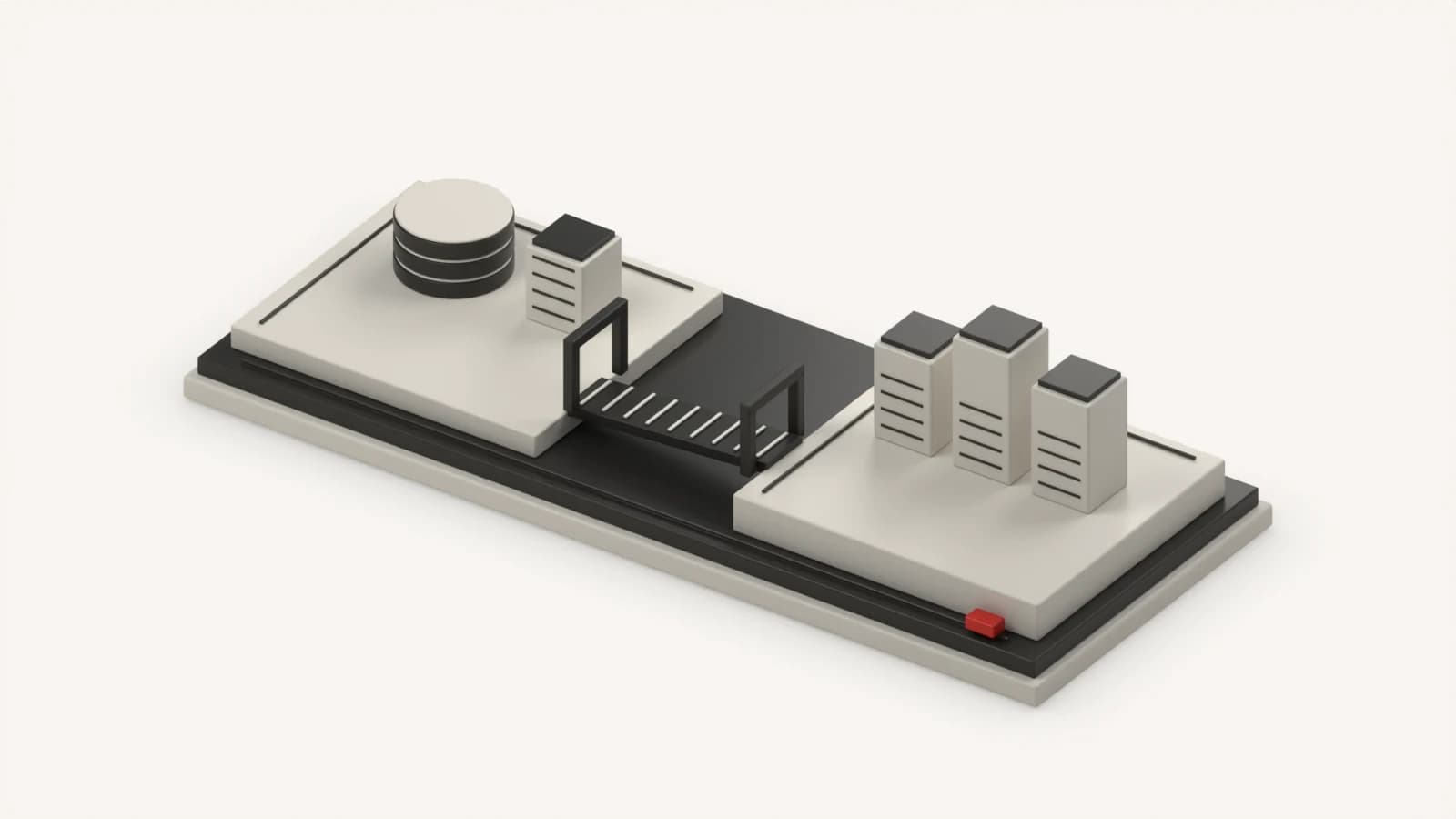
Break down spending by workload and resource, assess each change and carry budget guardrails into operations.
04Why this way
Each point lists the deliverable that backs it.
Cutting a resource just because its utilization looks low is how month-end closes and batch schedules break. Before anything reaches the action list, its owner confirms which business cycle it exists for and whether it is there for disaster recovery or testing. Every saving carries a recovery condition and a named owner.
Backed by
Client work · Live commerce
Live commerce, company B — the operating environment stood up alongside the build
The environment went up first, on the development schedule, and the same team carried the deployment and operations paths after it.
Learn moreAn account cleaned once tends to drift back within months. Cost review becomes a fixed monthly step, and tags are enforced on every newly created resource. The order for notifying the owning team when a budget is exceeded is written into the operating rules, so saving becomes a habit rather than a project.
Backed by
Client work · North American food ordering platform
North American food ordering platform, company W — delivery and operations aimed overseas
A CDN moved delivery closer to the user, and the operations aimed at overseas users stayed with us in Korea.
Learn more05How to start
Every stage ends with an agreed scope and a deliverable in your hands.
Step 01
We collect current cost, performance, configuration, and ownership per account and turn them into a baseline within three weeks of kickoff.
DeliverableBaseline assessment report
Step 02
We set the target structure around business criticality and regulatory constraints, then fix the transition order and rollback conditions with you.
DeliverableTarget architecture and transition plan
Step 03
We cut over only after rehearsal, then move observability, cost, and incident response into a single operating model.
DeliverableCutover record and operations runbook
Step 04
We review operating metrics with you once a month and agree the next quarter improvements in priority order.
DeliverableOperations dashboard and improvement backlog
06Contract options
07Service levels
99.95%
Uptime
30%+
Average savings after migration or redesign
24·7
Night-and-holiday coverage included
08Example engagements
Work we took on, plus example engagements where we have no case yet.
All client workAssume a migration or redesign has just wrapped and the resource layout still sits as it landed. Cost ownership is scattered across several accounts.
Example approachSpend is split by account and service into a baseline, and recommended actions are sorted by business impact to set the execution order.
Intended directionSpend becomes explainable, and tagging and budget rules turn saving into a habit.
A new service had to be built and its cloud operating environment stood up at the same time.
What we doThe environment went up first, on the development schedule, and the same team carried the deployment and operations paths after it.
What it leavesDevelopment and infrastructure moved on one schedule instead of waiting on each other.
A service used in California, USA had to be operated from Korea.
What we doA CDN moved delivery closer to the user, and the operations aimed at overseas users stayed with us in Korea.
What it leavesThe service area is abroad, and delivery and operations still run from Korea.
09FAQ
It is compared against the pre-action baseline the same way every month. Periods where usage itself grew are marked separately, and commitments such as pricing-plan changes carry their term so the figure is not overstated.
No. We start from workload requirements and choose the provider and services from there. Managed services do carry a switching cost, so we agree at design time how much of the stack stays on standard technology.
Yes. We take on operations in stages and move recurring work into runbooks and automation to reduce the headcount required. Night and holiday coverage is split by service criticality when the contract is agreed.
Most work is designed for zero or minimal downtime. Where downtime is unavoidable we agree the rehearsal, the rollback trigger, and the acceptable outage window first, then schedule the change at the lowest-traffic hour.
We compile the baseline report within three weeks of kickoff. Current cost, performance, configuration, and operational ownership are collected by account to inform the target architecture, transition sequence, and rollback conditions.
We review operational metrics, incidents, and improvement tasks monthly. Priorities for the following quarter are recorded in the operational dashboard and improvement backlog to inform the next investment decisions.
We share the findings from the first stage, then agree scope and schedule on that basis before delivery. A finished request for proposal is not required: the current environment and the outcome you want are enough to start.
2026-08-28 · 20 min read
Separate MTD, RTO, and RPO, break recovery time into a per-stage budget, then fit targets and cost together with dependencies, people, and the recovery environment on one worksheet.
2026-08-22 · 20 min read
Break the NAT bill into hours, processed data, transfer paths, and public IPv4, then compare gateway endpoints, interface endpoints, regional NAT, IPv6, and NAT instances on one formula.
2026-07-17 · 25 min read
Compute is chosen not by headcount but by the control you need and the Complexity Budget that lets you keep operating that control. We compare VM, PaaS, Managed Container, and Kubernetes across fifteen decision axes.
12Related resources
Guides and checklists you can use during review and kickoff.
See all resources2026.09.04
The six axes on which managed operations contracts actually differ, and what is left behind when the wrong one ends.
2026.07.15
A checklist grouped by where to open first once the bill goes up, what to check inside each item, and in what order to act.
Contact
Tell us your current environment and target outcome, and our team will review it and reply.
Direct line
Phone lines are open weekdays 09:00–18:00
ServiceCloud Cost Optimization
Collection and use of personal information
You may decline; the inquiry cannot be submitted without consent.
More ways to explore