Teams launching a first service with nobody to own the infrastructure
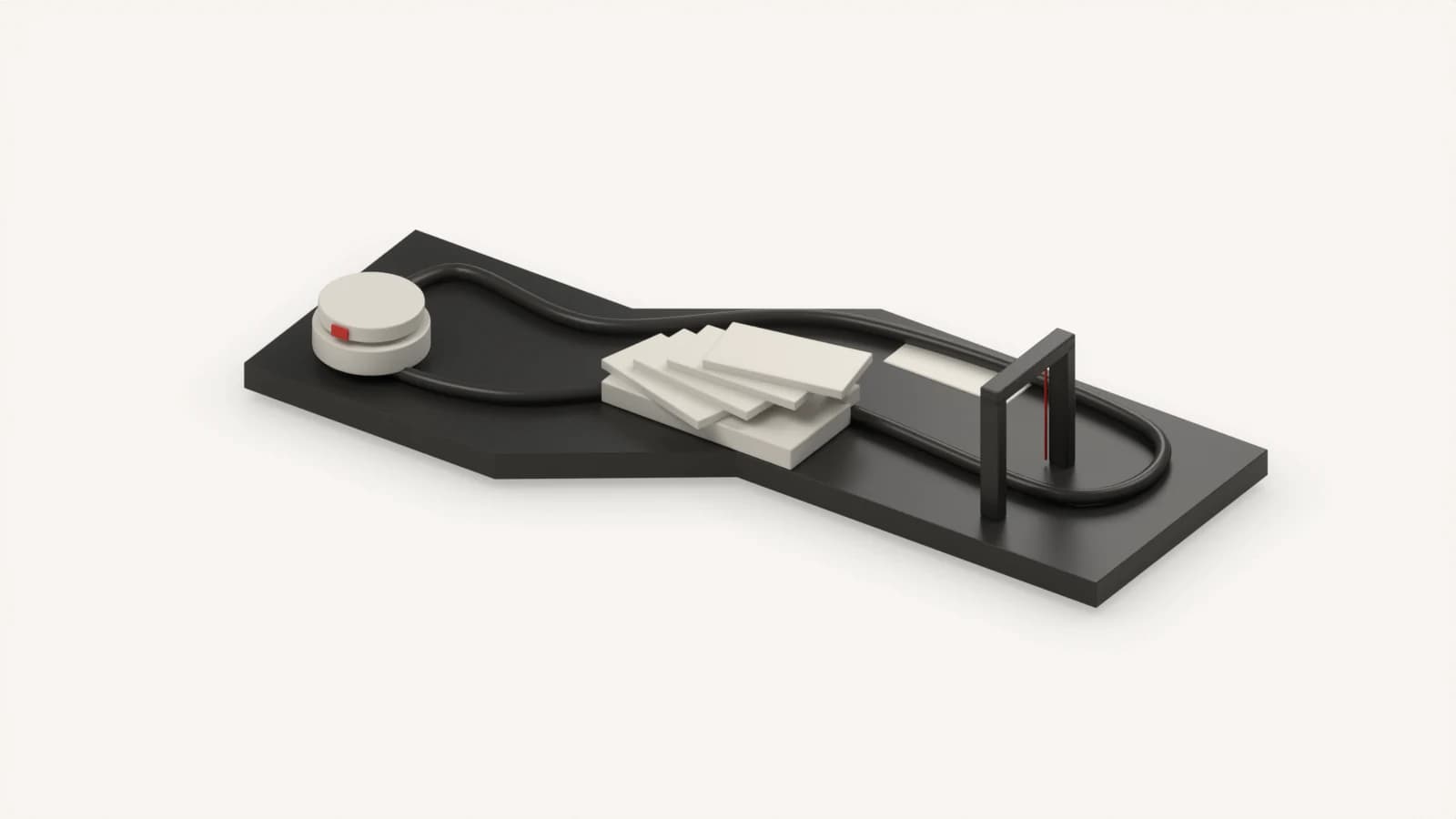
The build starts from the smallest configuration the traffic and the budget allow, and the points where it will have to grow are marked in advance.
A build service that designs the cloud environment a new service will run on, carries it through to deployment, and hands it over.
01Overview
Cloud Infrastructure Build designs the network, servers, database, and delivery path a service runs on, stands it up, and sets the standards it will be operated by. The work does not run separately from development. The structure is decided in the same room as the team building the application, and deployment automation, access permissions, and backup cadence are all settled at kickoff.
02Who it fits
The build starts from the smallest configuration the traffic and the budget allow, and the points where it will have to grow are marked in advance.
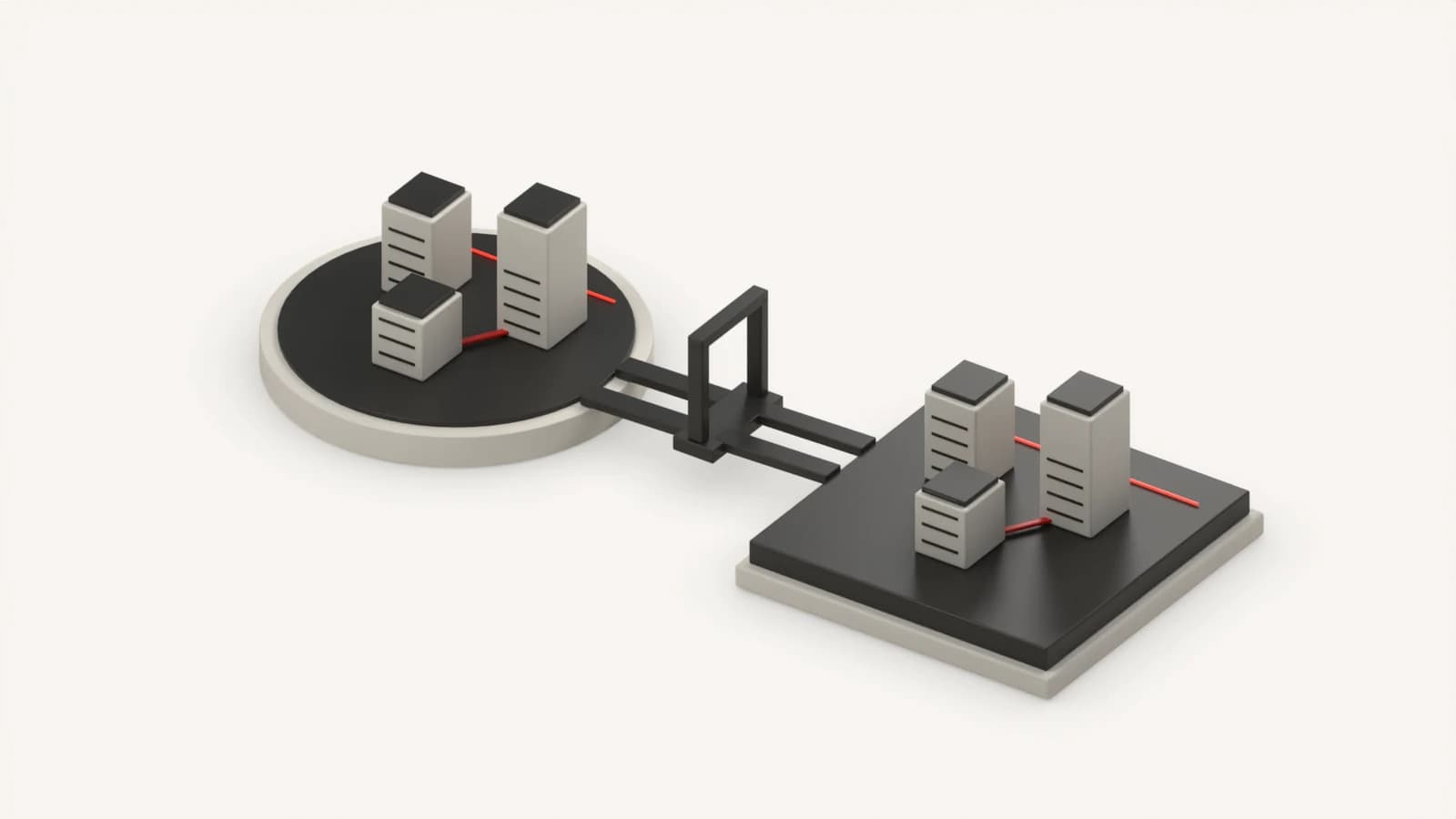
The environment the delivered code needs is built from scratch, and the delivery path and the access permissions are left behind as documents.
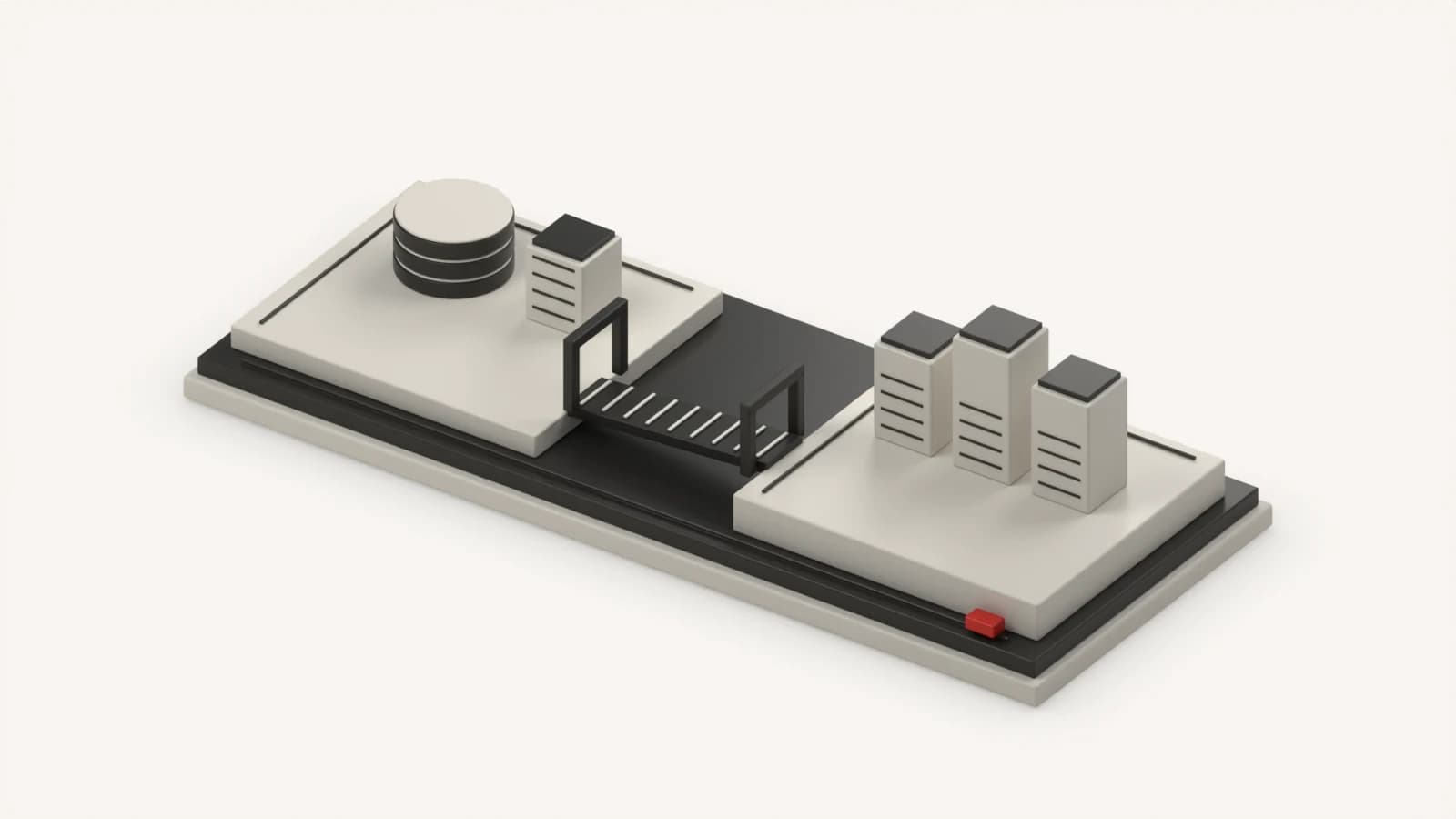
What is risky in the current setup is identified first, and the move follows an order that keeps the service up.
03What we deliver
01
The network and server configuration and the database layout are set to match what the service actually does, and the monthly cost is worked out before anything is built. Capacity that will go unused is not bought at the start.
02
Pushed code runs through verification and then deploys along a path built for it, and the development and production environments are held apart. Nobody logs into a server to fix it by hand.
03
Who can reach what is decided, and the backup cadence and the recovery procedure are written down. What can be restored, and how far back, is settled before anything goes wrong.
How the service works
Design networks and servers together with deployment paths, access controls and backup policies.
04Why this way
Each point lists the deliverable that backs it.
IXC is a direct Akamai partner and works with public cloud through the Megazone partner network. The choice follows what the service needs and what the budget allows, not what happens to be familiar. A service carrying heavy overseas traffic and one serving mostly domestic traffic get different answers.
Backed by
Client work · Live commerce
Live commerce, company B — the operating environment stood up alongside the build
The environment went up first, on the development schedule, and the same team carried the deployment and operations paths after it.
Learn moreWhen one company builds an environment and another runs it, finding the cause of an incident takes longer. The people who designed it carry on as the managed-operations team, and where your own team takes it over, the environment is handed across with the documents that explain it.
Backed by
Client work · North American food ordering platform
North American food ordering platform, company W — delivery and operations aimed overseas
A CDN moved delivery closer to the user, and the operations aimed at overseas users stayed with us in Korea.
Learn more05How to start
Every stage ends with an agreed scope and a deliverable in your hands.
Step 01
We collect current cost, performance, configuration, and ownership per account and turn them into a baseline within three weeks of kickoff.
DeliverableBaseline assessment report
Step 02
We set the target structure around business criticality and regulatory constraints, then fix the transition order and rollback conditions with you.
DeliverableTarget architecture and transition plan
Step 03
We cut over only after rehearsal, then move observability, cost, and incident response into a single operating model.
DeliverableCutover record and operations runbook
Step 04
We review operating metrics with you once a month and agree the next quarter improvements in priority order.
DeliverableOperations dashboard and improvement backlog
06Contract options
07Service levels
99.95%
Uptime
30%+
Average savings after migration or redesign
24·7
Night-and-holiday coverage included
Company K, a meal-service ordering platform, needs an environment for a new system to run on.
What we doServer sizing follows the hours when orders concentrate, the delivery path and the backup cadence are built, then the operating standards are handed over as documents.
What it leavesThe handover left the development team pushing code and the deployment following on its own.
A new service had to be built and its cloud operating environment stood up at the same time.
What we doThe environment went up first, on the development schedule, and the same team carried the deployment and operations paths after it.
What it leavesDevelopment and infrastructure moved on one schedule instead of waiting on each other.
A service used in California, USA had to be operated from Korea.
What we doA CDN moved delivery closer to the user, and the operations aimed at overseas users stayed with us in Korea.
What it leavesThe service area is abroad, and delivery and operations still run from Korea.
Built so that adding pages and languages does not make the site harder to run. IXC redesigned its website from MDX-based content operations to multilingual checks, cloud deployment, and security.
Building the broadcast and the auction alone does not complete a transaction. Cloud, notifications, payments, and points were connected within the same launch.
Features built quickly with AI were connected to service operations. Development, deployment, and payments were kept in the same handover scope, and the exception conditions of transactions were handled together.
09FAQ
Either way works. The account can be opened in your company name with administrative rights granted to IXC, or taken through the partner contract so that billing is handled on your behalf as well. In both cases the environment stays as it is when the engagement ends, and only the permissions are unwound.
No. We start from workload requirements and choose the provider and services from there. Managed services do carry a switching cost, so we agree at design time how much of the stack stays on standard technology.
Yes. We take on operations in stages and move recurring work into runbooks and automation to reduce the headcount required. Night and holiday coverage is split by service criticality when the contract is agreed.
Most work is designed for zero or minimal downtime. Where downtime is unavoidable we agree the rehearsal, the rollback trigger, and the acceptable outage window first, then schedule the change at the lowest-traffic hour.
We compile the baseline report within three weeks of kickoff. Current cost, performance, configuration, and operational ownership are collected by account to inform the target architecture, transition sequence, and rollback conditions.
We review operational metrics, incidents, and improvement tasks monthly. Priorities for the following quarter are recorded in the operational dashboard and improvement backlog to inform the next investment decisions.
We share the findings from the first stage, then agree scope and schedule on that basis before delivery. A finished request for proposal is not required: the current environment and the outcome you want are enough to start.
2026-09-26 · 14 min read
The label MSP does not determine who will resolve an application incident.
2026-08-28 · 31 min read
Convert visitor counts into a request mix, declare pass/fail criteria first, then use the environment fingerprint, a twelve-step load protocol, and a worksheet to record validated sustainable capacity.
2026-08-22 · 15 min read
Seven axes — separation, control independence, retention, immutability, recoverability, application consistency, and ownership — decide which incidents your current snapshot policy actually survives.
12Related resources
Guides and checklists you can use during review and kickoff.
See all resources2026.09.04
One deck covering what the six cloud services take on, the order the work runs in, and the deliverable handed over at each stage.
Contact
Tell us your current environment and target outcome, and our team will review it and reply.
Direct line
Phone lines are open weekdays 09:00–18:00
ServiceCloud Infrastructure Build
Collection and use of personal information
You may decline; the inquiry cannot be submitted without consent.
More ways to explore