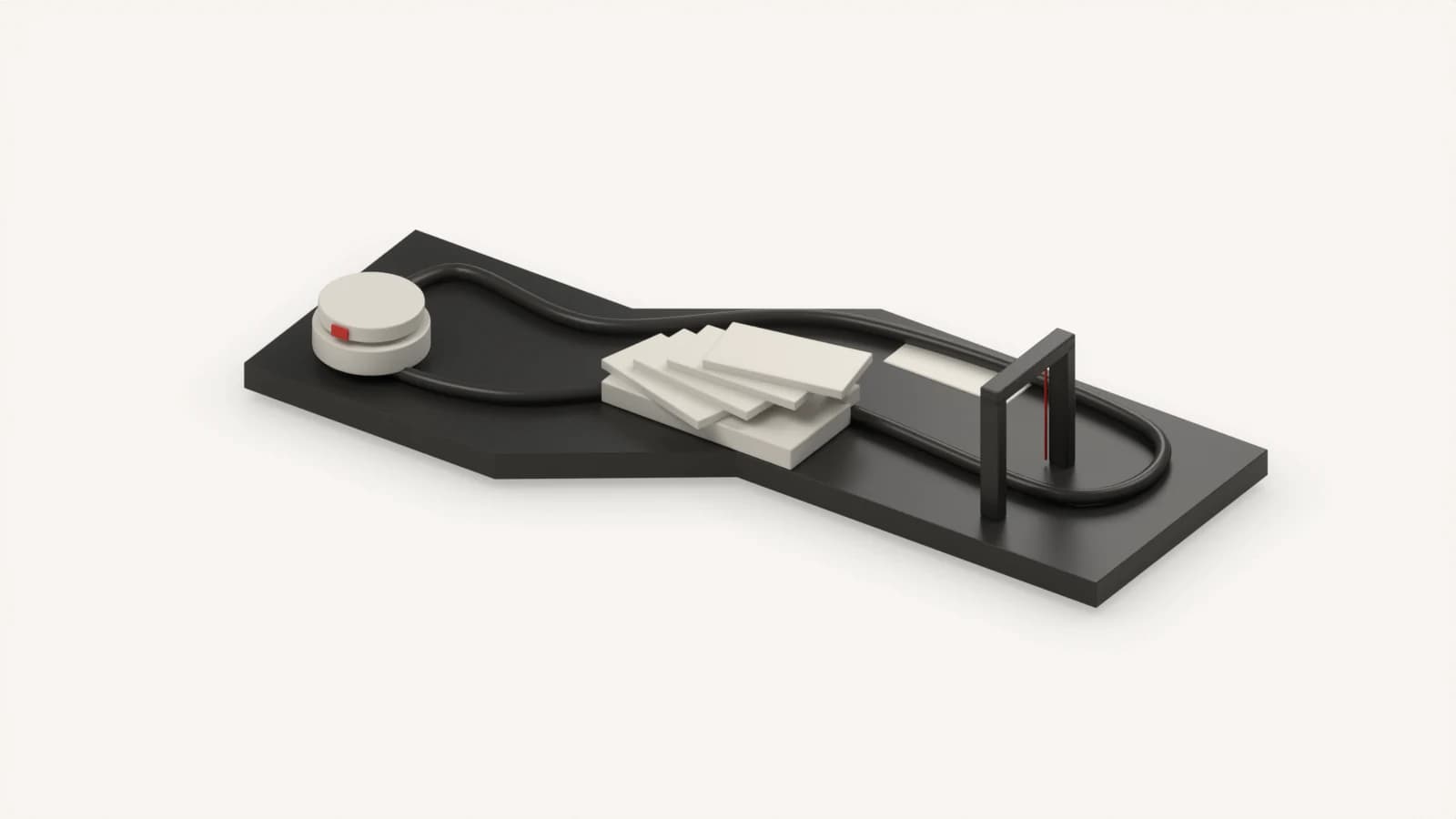
Platforms with provider logic scattered through product code
Branching by method and by provider is lifted into the gateway, and the product code is left with one contract to read.
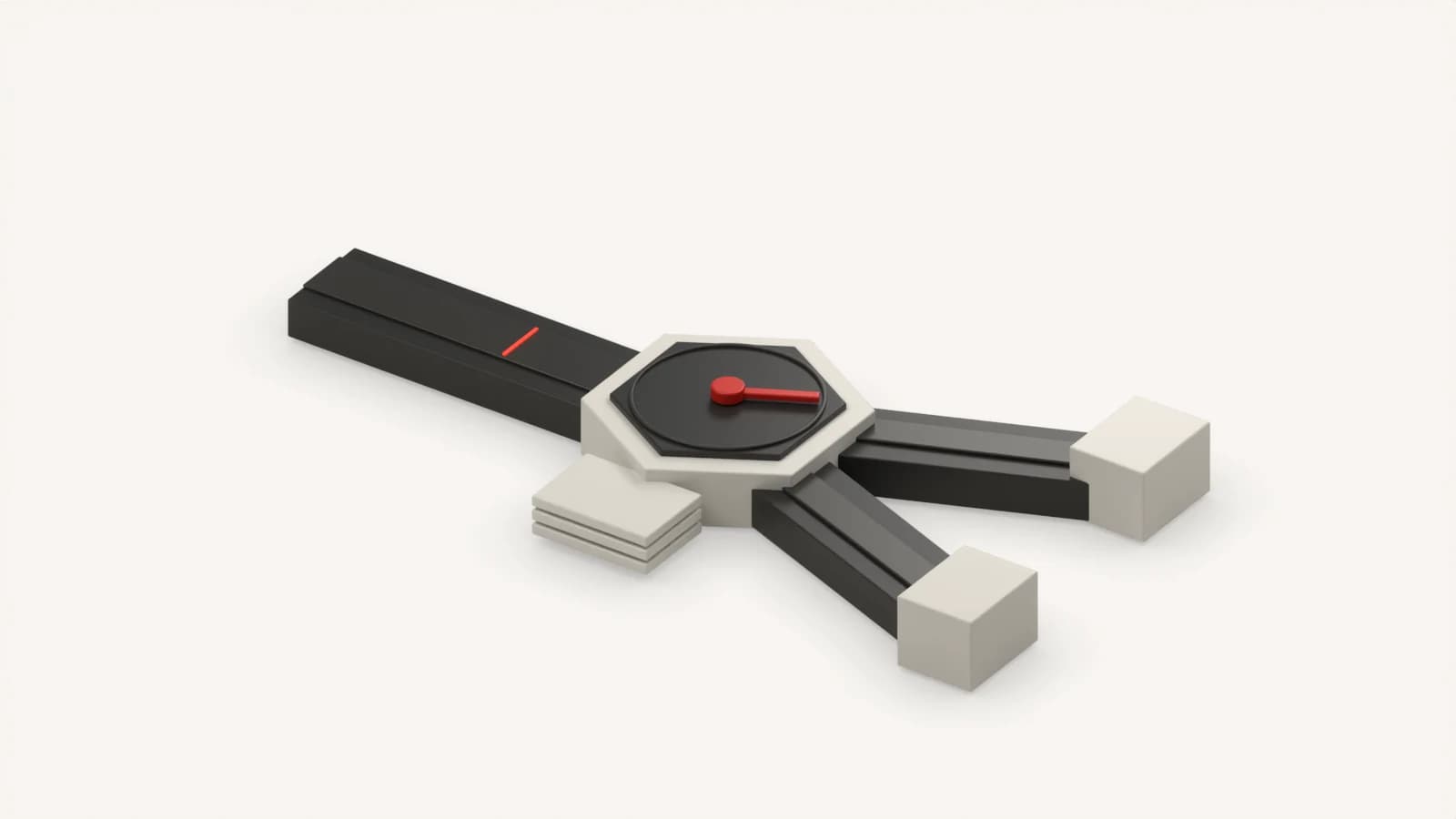
A build service that brings every provider integration into one layer, so the product code does not change when the providers do.
01Overview
A Payment Gateway is a build service that consolidates the integrations for several providers into one layer and sets transaction routing and failover by rule. The work starts before the provider has been picked. Product code sees a single transaction contract, and the differences between providers are absorbed by the adapters.
02Who it fits
Branching by method and by provider is lifted into the gateway, and the product code is left with one contract to read.
Fees, settlement cycles, and approval terms are laid out side by side to narrow the candidates, and the integration order then follows the approval schedule.
Domestic and overseas payment methods sit under the same transaction contract, with only currency and refund terms held apart.
03What we deliver
01
Candidates are compared against the methods the service has to accept and the settlement terms it needs, and the combination is settled. Once it is, each provider's request format and response codes are normalized and handled in one layer.
02
Rules decide the route by issuer, amount, region, and similar conditions. When one provider slows or fails, the attempt carries on down the next route.
03
Card data is never held directly, the provider's token stands in for it, and every transaction keeps its state history. The records needed for re-charging, partial cancellation, and disputes come from one place.
How the service works
Handle provider differences in the integration layer and manage routing and transaction state consistently.
04Why this way
Each point lists the deliverable that backs it.
When the order code grows with every provider added, the cost of replacing one climbs fast. IXC has integrated Korean domestic PGs, local wallet payments, and overseas PGs alike, and is a Toss Payments partner. Authorization, cancellation, and refund are defined as service-level states first, and the providers are attached beneath them. When fee terms change and routing follows, the contract negotiation and the development schedule stop waiting on each other.
Backed by
Client work · Artist platform
Artist platform, company A — point top-up and management
Top-up, spending, and balance were settled into one state model and attached to the running service.
Learn morePayment enquiries drag on mostly because nobody can see the state. Request, authorization, notification, cancellation, and refund are tied to one transaction identifier, kept in time order, and shown on a screen support staff read directly. Where a payment stopped is established in-house before anyone contacts the provider.
Backed by
Client work · AI character chat
AI character chat, company M — payment integration
Authorization, cancellation, and refund states were fixed first, and the provider was connected on top of them.
Learn more05How to start
Every stage ends with an agreed scope and a deliverable in your hands.
Step 01
We write out every transaction state and its owning team from authorization through cancellation, refund, and settlement in one state map.
DeliverableTransaction state map and RACI
Step 02
We build the APIs, security, and data flows assuming failure, retry, and duplicate authorization, then verify them in the sandbox.
DeliverableIntegration spec and exception design
Step 03
We join monitoring, exception handling, and reconciliation into one loop and classify the cause of any anomaly on the day it occurs.
DeliverableReconciliation rules and runbook
Step 04
We hold the closing cycle and fix the report format and anomaly rules so every difference can be explained at T+1.
DeliverableSettlement report template and anomaly rules
06Contract options
07Service levels
Same day
Suspicious transactions traced to cause
T+1
Settlement reconciliation report
3routes
Domestic PG, wallets, and overseas payments
Company W, a platform connecting restaurant owners with diners in the United States, had to accept several overseas payment methods.
What we doAuthorization and refund formats across PayPal, Stripe, and the Alipay family were normalized into one transaction state and attached to the same payment flow.
What it leavesAuthorization and refund no longer split by payment method; both finish inside one flow.
The platform needed a way to top up and manage the points used in artwork transactions.
What we doTop-up, spending, and balance were settled into one state model and attached to the running service.
What it leavesTransactions that move on points rather than a payment method sit in the same record.
A service built with generative tooling had to take payments for the first time.
What we doAuthorization, cancellation, and refund states were fixed first, and the provider was connected on top of them.
What it leavesIt went into operations with no transaction left in an unknown payment state.
09FAQ
Yes. Narrowing the candidates is part of the work, and the integration order is set around the approval and contracting schedule. Adding another provider later touches an adapter, not the service code.
Yes. We usually design the integration and operating procedures around the contracts already in place, and when fee or settlement-cycle terms change, only the reconciliation rules need to be re-aligned.
By default we store no card data and use provider tokens instead. Data retention scope and access rights are defined at design time, and processing records and access logs are kept as the evidence each standard requires.
You can run it in-house, jointly, or hand it to us. In every case you receive the reconciliation rules, the incident runbook, and the provider escalation contacts, so the procedure survives a change of owner.
We configure reports and detection rules to explain differences at T+1. Transaction states for authorization, cancellation, refunds, and settlement are aligned with reconciliation rules so the origin of a difference can be traced.
Read access comes first. Transaction views, logs, and provider administration are opened only to the scope needed for intake and diagnosis. Refund execution and rule-change permissions are assigned after approval procedures are defined.
We share the findings from the first stage, then agree scope and schedule on that basis before delivery. A finished request for proposal is not required: the current environment and the outcome you want are enough to start.
2026-09-26 · 15 min read
Subscription billing design connects payment methods, contracts, charges, payment attempts, and entitlements through change, failure, and cancellation policies. A successful first payment still leaves responsibility for next month’s failure, cancellation during retries, plan changes, and access revocation.
2026-09-26 · 20 min read
Payment/order consistency separates payment facts from order and fulfillment records, then recovers only missing steps using verified evidence. External approval and a local database write may not complete together. Treating an unknown outcome as failure can cause duplicate payments or issuance.
2026-09-26 · 17 min read
Calculate a partial cancellation as the difference between the confirmed current balance and the amount that should remain after cancellation, then reconcile discounts, shipping, and successful cancellations. Equal product prices do not imply equal individual refunds when remaining-item discounts and shipping conditions change.
12Related resources
Guides and checklists you can use during review and kickoff.
See all resources2026.09.04
The axes that actually separate payment providers — settlement cycle, method coverage, feature support, integration effort, and review conditions — and the order to weigh them in.
2026.09.04
Where domestic PGs stop working for cross-border sales, and what currency, settlement, tax, and dispute handling add once you move to PayPal or Stripe.
2026.09.05
Once the payment provider is chosen, what to settle first, which documents to prepare, and what actually drives screening time, collateral, and holdback terms.
Contact
Tell us your current environment and target outcome, and our team will review it and reply.
Direct line
Phone lines are open weekdays 09:00–18:00
ServicePayment Gateway
Collection and use of personal information
You may decline; the inquiry cannot be submitted without consent.
More ways to explore