
An AI character chat built with generative development tooling was deployed to the cloud and connected to payments. To hand over quickly implemented features as a service people can actually use, the deployment environment and the exception handling of transactions were dealt with together.
The moment the chat screen works is an important step forward in developing an AI service. But providing that service to customers takes many more conditions behind the screen.
Where the service will run, how the payments needed for paid use will be connected, and what state to apply when the result of a payment request never arrives all have to be decided. Development speed and operational readiness are connected, but they are not the same item.
Company M, with its strength in content production, was preparing an interactive AI character chat. In addition to developing the service with generative development tooling, IXC took on cloud deployment and payment integration.
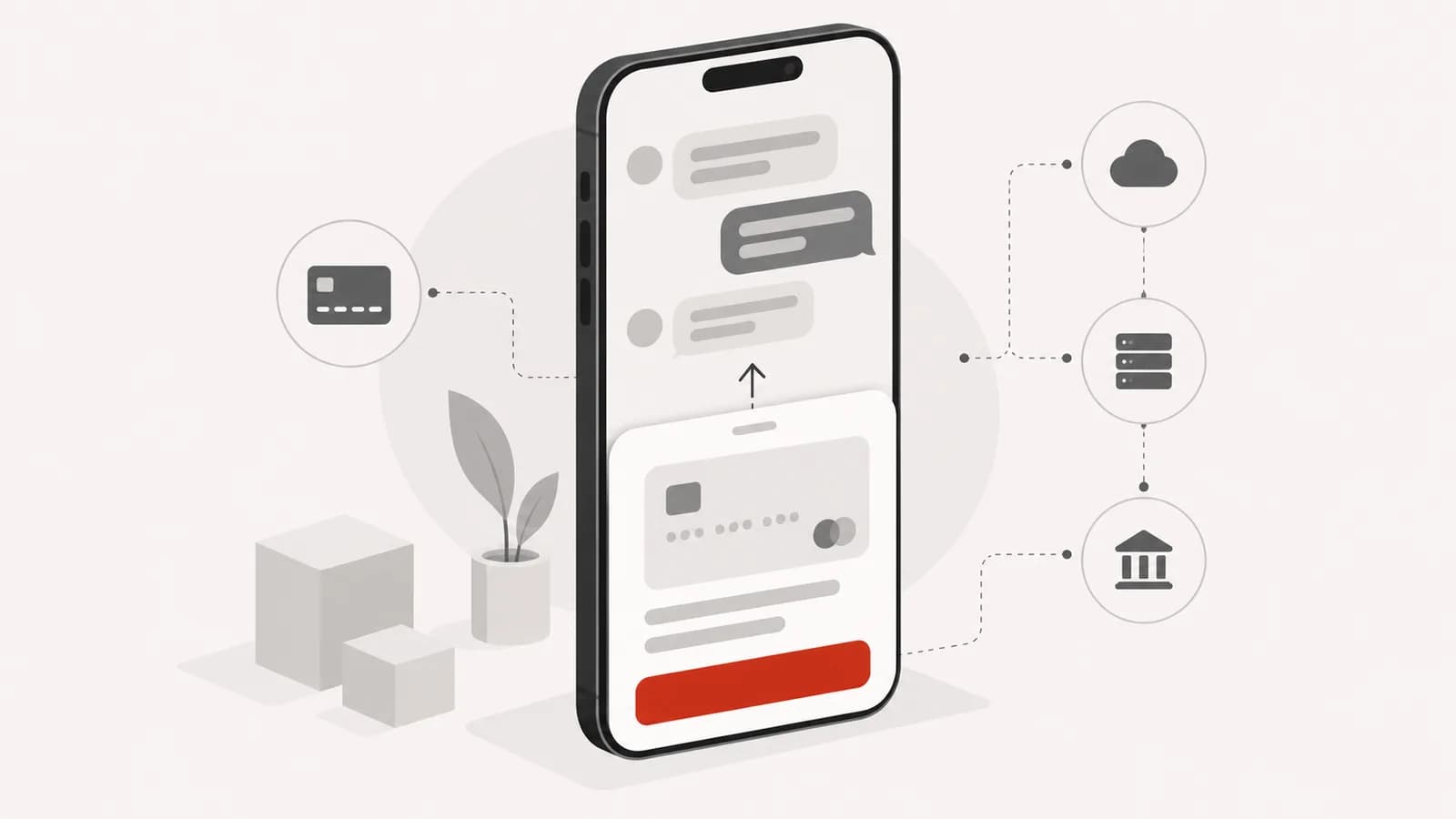
After fast implementation, the questions operations need remain
Developing with generative tooling lets you see the result quickly. But one successful run on screen is not grounds to conclude that every condition has been implemented.
If it was never spelled out which conditions have to be handled, those conditions have to be confirmed in the execution results as well. This is not a problem unique to generative tooling; it is a matter of software requirements and verification.
The result Company M needed did not stop at code either. The environment to run the application and the capability to process customer transactions had to be in place together. Deployment and payments were not side tasks to leave until after development; they were part of the service being handed over.
Use the development speed, but do not skip the conditions operations require. That is the point worth noting in this case.
The application and its cloud deployment were configured together
Alongside service development, the cloud architecture was defined and the service was put on a real deployment environment. Handing over the development output and preparing a usable environment were connected.
The development environment and the production environment play different roles. The former is a place to build and check features; the latter has to keep processing users' requests.
If deployment is left as a separate problem after development ends, the handover scope can become vague as well. Whether what the customer received is a runnable service or code that still needs environment configuration has to be clear.
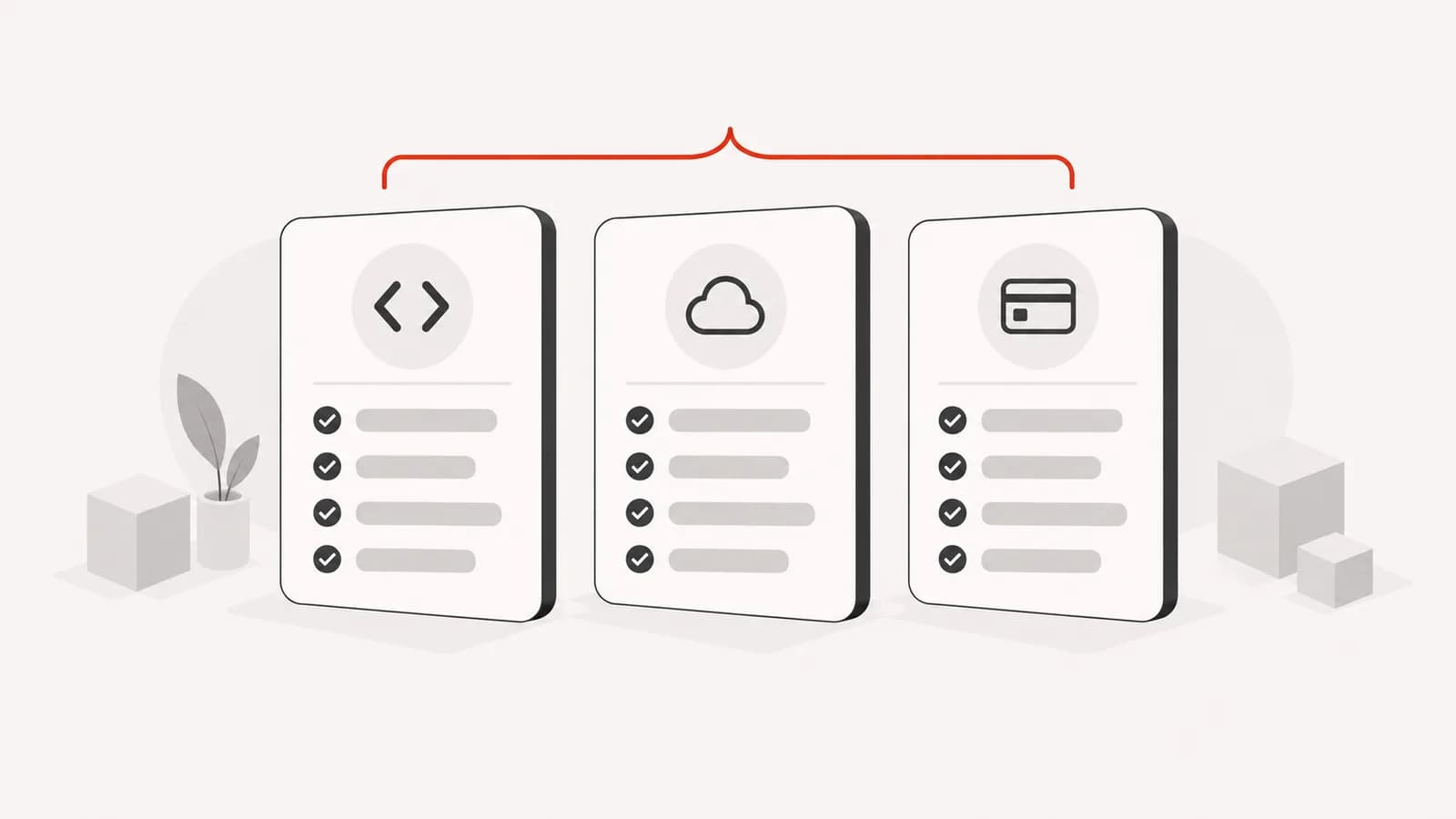
In this project, development, deployment, and payment integration were delivered together. The main foundations of the service were treated as one connected scope.
Payments needed states beyond the success screen
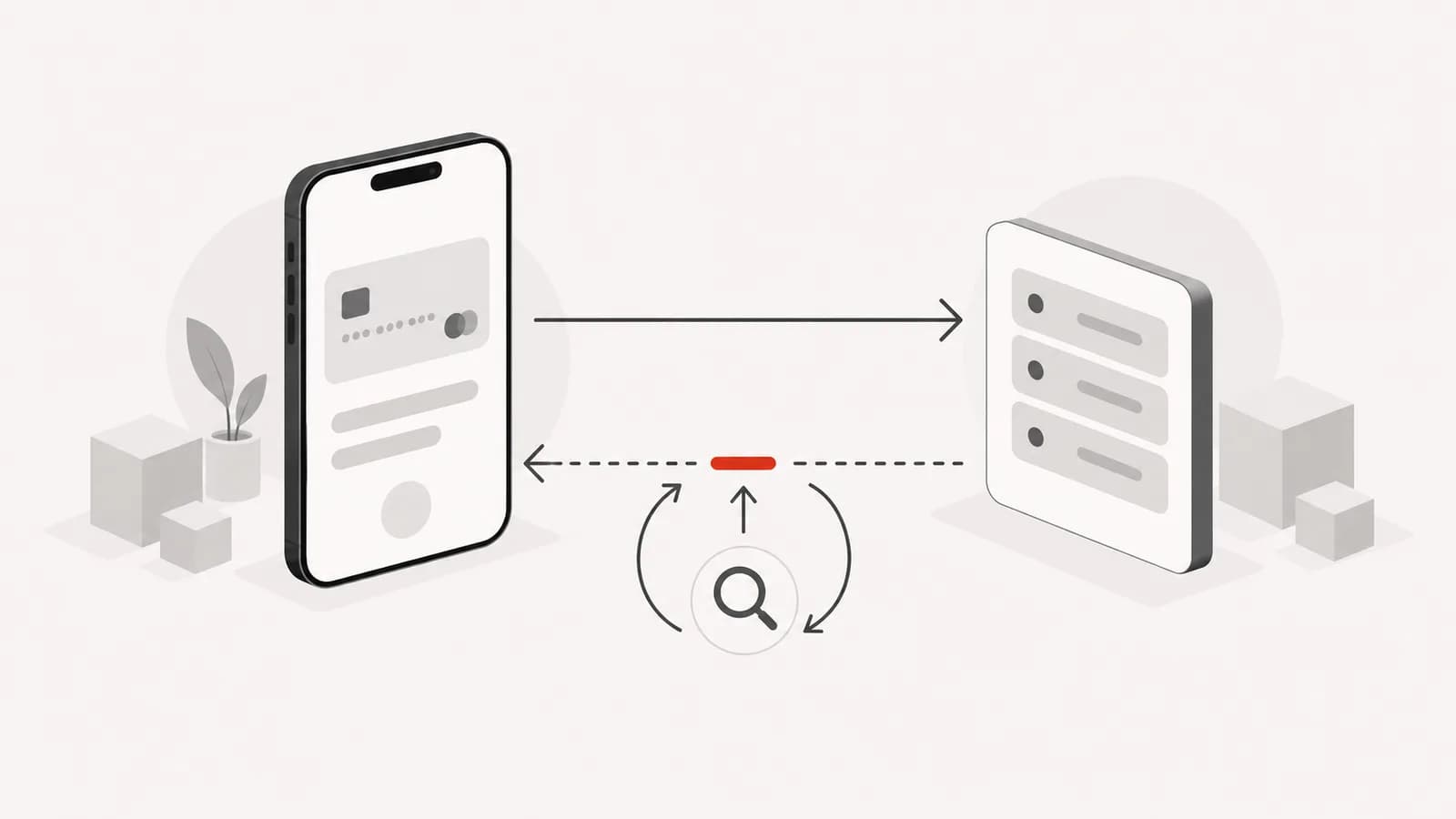
For payments, the approval, cancellation, and refund states were defined first. A unique identification rule was applied to transaction requests, and a procedure was set up to reconcile the state of transactions with no response through a lookup.
Consider a user attempting a payment when the response is slow or the connection drops. What the service knows at that moment is that it could not confirm a response. Concluding from that alone that the payment actually failed can lead to the wrong next action.
Conversely, if every resent request is processed as a new transaction, the risk of duplicate charges has to be considered. So a way to identify the same transaction and confirm its already-processed state is needed.
Payment design therefore has to account for delayed responses and retries. For Company M, a procedure that identifies the same transaction and looks up its actual processing state was configured to handle these exception conditions.
Development, deployment, and payments were put in the same handover scope
When development, deployment, and payments are ordered separately, responsibility at the points where the deliverables meet is divided as well. Only when it is clearly agreed how far things are handed over in a connected state can the follow-up work be judged.
The scope handed over together for Company M was service development, cloud deployment, and payment integration. The application that serves the content was delivered running on the production environment and connected to the transaction capability.
A handover scope like this is also needed to separate later responsibilities. Changing service features, managing the underlying environment, and judging the appropriateness of content are related but separate tasks to confirm.
What this project connected was the application and its operating foundation. The quality of the conversations and the appropriateness of the content are areas that service operations must keep reviewing against their own separate standards.
The standard for describing generative development moved to the deliverable
The service proceeded through deployment and payment integration into operation. Beyond the experience of implementing screens quickly, a deliverable equipped with transaction states and a lookup procedure was handed over.
The significance of this project is not only that it was built with a particular tool. It shows that however the code is written, a real service needs an environment to deploy to and a standard for handling transactions.
The questions a team using generative development should ask at the next stage are concrete as well. Beyond whether the code exists: is it actually deployed, are payments connected, and what is checked when a response differs from what was expected?
The Company M case is a project that connected features built quickly with AI to the components of a service that can be offered to customers.