
In the Japanese localization of a global no-code test tool, the language resources, the actual screens, the input environment, and the functional behavior were examined together. A specialist's hands-on experience that verified the presence of a translation and the experience of using the product as two separate things.
Once the menus and help text switch to Japanese, localization can look finished. But what a user does is not over when they have read the translated sentences.
They type in Japanese, configure conditions, and have to make sense of the results of a run. If the screen and the documentation describe the same feature in different words, every sentence may be correct on its own and still cause confusion in actual use.
The localization QA for global test tool, Company T, was an experience of working through exactly this gap. Changing the language and verifying the product in the changed language environment were treated as one piece of work.

In a test tool, the wording on screen is tied to the user's work
In a no-code test tool, users understand the concepts on screen and combine settings to build their verification work. The terminology on screen is therefore not decoration but the information that makes up the work itself.
Whether a translation reads naturally is one question; whether it conveys the meaning of the original feature is another. If the term for the same action differs from screen to screen, users may understand them as different features.
In this project, the source and the Japanese screens were compared side by side, and the wording in the documentation and on screen was examined together. The work did not stop at confirming that a translated string existed in the language resources.
What this shows is that localization quality has to be judged at two levels at once: sentence-level proofreading and product-level consistency.
Reading Japanese and typing Japanese were different conditions
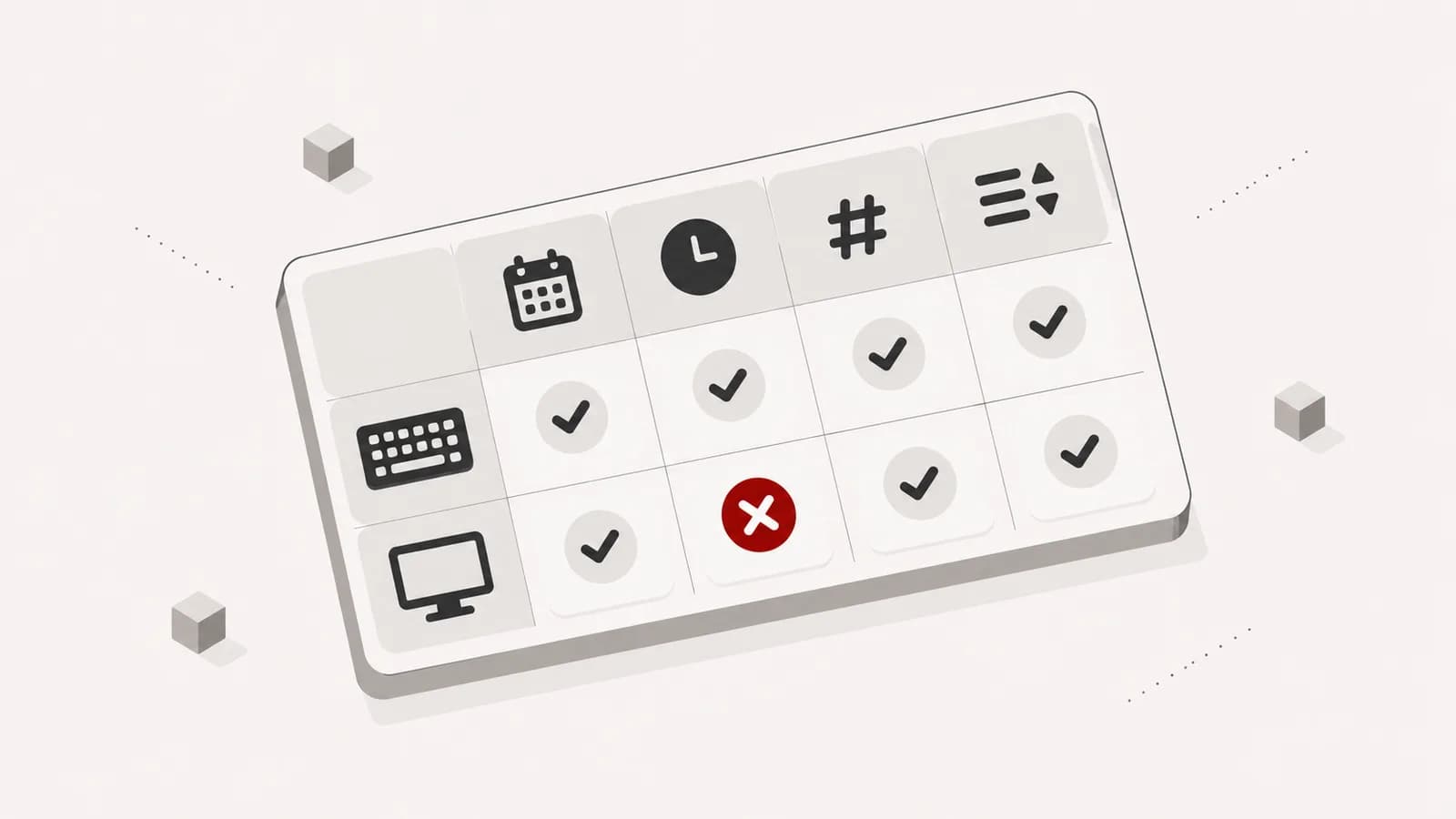
That a product can display Japanese and that it can process Japanese input are separate questions. Conditions of the real usage environment, such as the character input method and full-width versus half-width characters, can affect behavior too.
The localization verification checked this input environment together with locale-specific display. Elements that change with regional settings, such as date and currency formats, were also treated as verification targets.
This is not a Japanese-only concern; it is a perspective that applies to any multilingual product. The whole sequence in which a user reads, types, and interprets results has to be looked at together.
So the fact that functional tests passed on the English screens is no basis for concluding that the same conditions have been confirmed in the Japanese environment.
Language issues were written up as defects that can be checked again
An opinion that "the wording feels awkward" is often not enough to decide the scope of a fix. Which screen and which action carry the mismatch in meaning, and how the source and the documentation describe it, have to be confirmed together.
Each problem found was reported with its reproduction conditions written up, and the corrected result was checked again against the same test case. Language and functional issues were put into a form that can be reviewed repeatedly.
Not every difference in wording is a functional defect. Conversely, something that looks like a mere matter of characters can harm the product's usability if it affects the choices a user makes in their work.
That is why localization QA needs both the ability to read the language and the ability to verify functionality. Where the two perspectives meet has to be explained with concrete examples.
Verification items were left behind for the next version as well
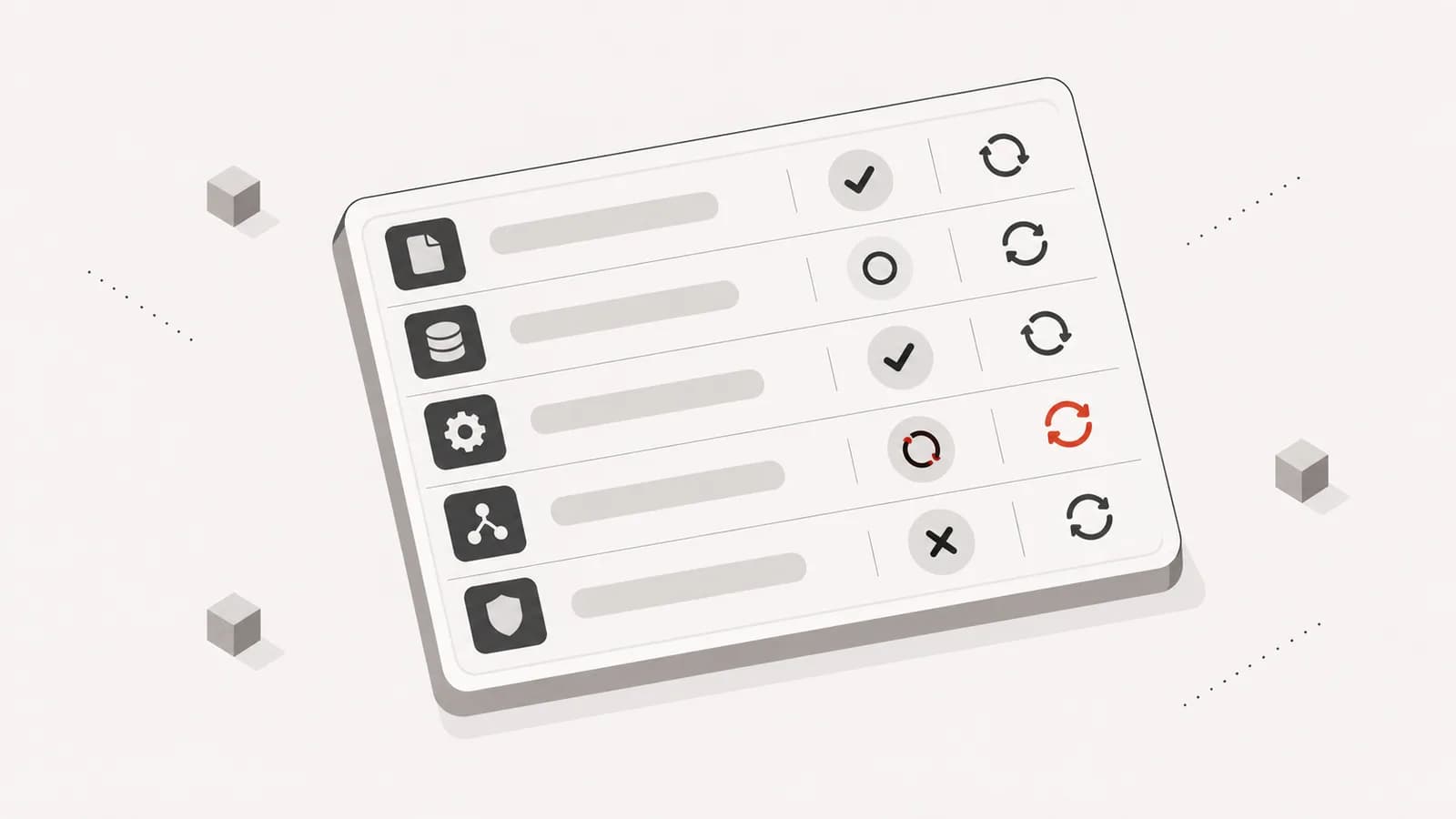
The test cases were organized as an asset that can be reused in every round. Localization does not end with a single translation delivery.
When the product changes, new wording and screens appear, and the behavior of existing features may change as well. A basis is needed for deciding whether reading only the changed parts is enough or whether flows already confirmed have to be run again.
Reusable verification items are the starting point for that decision. Only with a record of what was checked in the last version can the same questions be carried into the next.
The verification items embody the perspective of looking at language and behavior together. Separating the parts where only the wording needs rereading from the parts where the actual feature needs running makes it possible to define the scope of the next localization review more concretely.
Readiness for the Japanese market was confirmed through actual use
What deserves attention in this case is not the number of translated sentences but the scope of the verification. Screen wording, input conditions, locale-specific display, terminology in the documentation, and behavior after fixes were all examined together.
A product preparing to enter Japan can expect the same questions. Beyond whether a Japanese page exists, it has to be confirmed that actual work can be started and completed in that language.
This experience shows that localization is about the gap between translation work and functional QA. Neither side was treated as confirmed simply because the other had been completed.
The destination of localization is not a screen that displays Japanese but a product in which Japanese-speaking users can carry out the work they intend.