
Fixing errors in a platform already in operation is a different job from building new features. This case covers how QA, remedial development, and cloud operations were connected to keep improving company N, a fuel delivery platform, and how the next payment feature is being prepared on that foundation.
Having a service that has been built and being able to run it stably are two different things. Even when the screens exist and the main functions work, operators end up patching problems outside the system if errors keep recurring in day-to-day work.
That is where the task at company N, a fuel delivery platform, began. After taking over an existing service, the company was struggling to run it normally because of frequent errors. This was not a situation that could wait for a new service; the current one had to be handled while improvements continued.
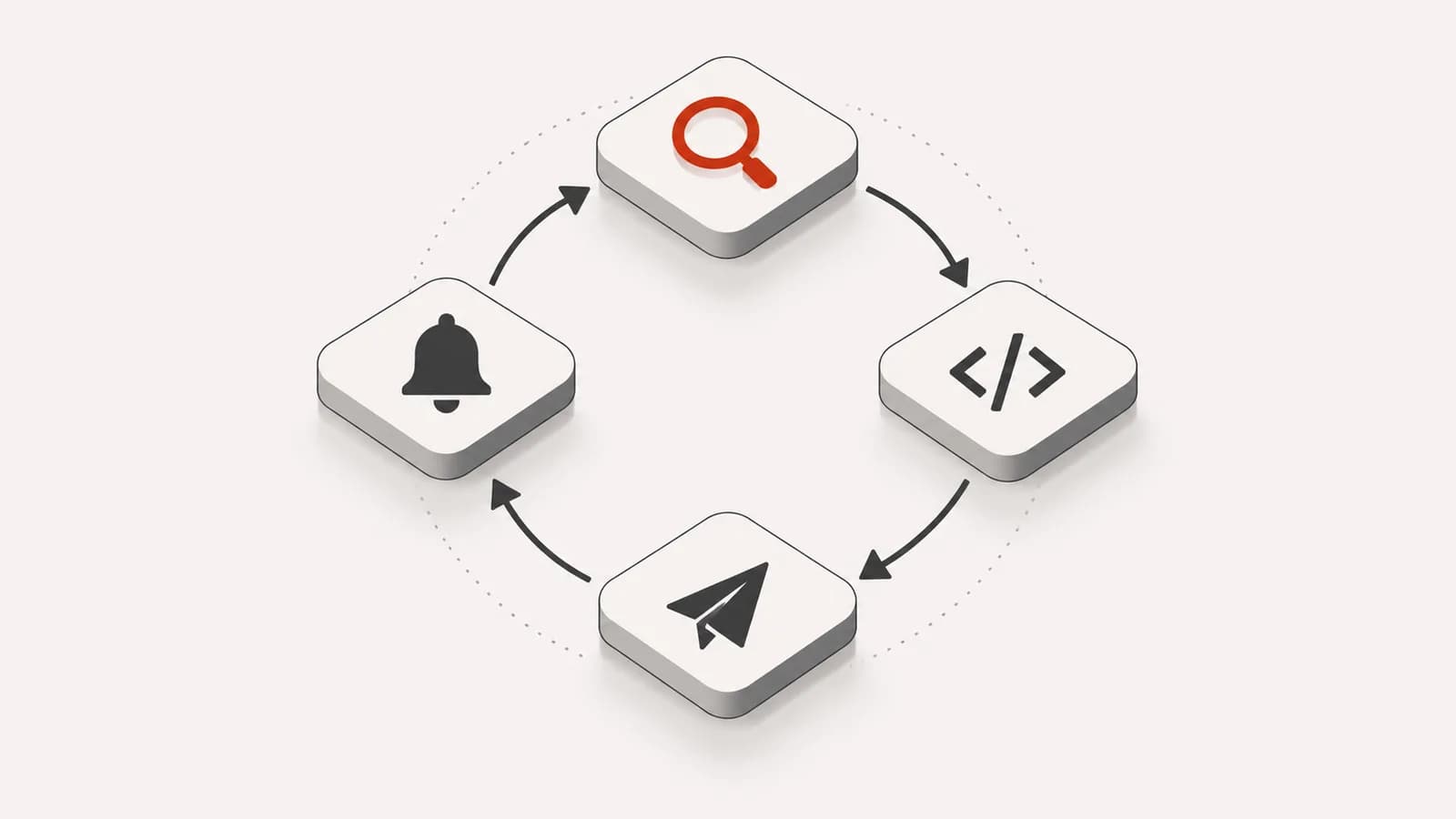
IXC took on QA, remedial development, and cloud operations together from July 2025. The center of this case is not how many features were added. It is how we connected what to fix first, how to release it, and who is responsible through the next change.
What was needed first was not fixes, but the order to fix things in
Fixing the most visible errors first can look like moving fast. But the order in which reports arrive and the size of their impact on the business are not the same. While one inconvenient screen is being fixed, a problem that blocks transactions may still be waiting.
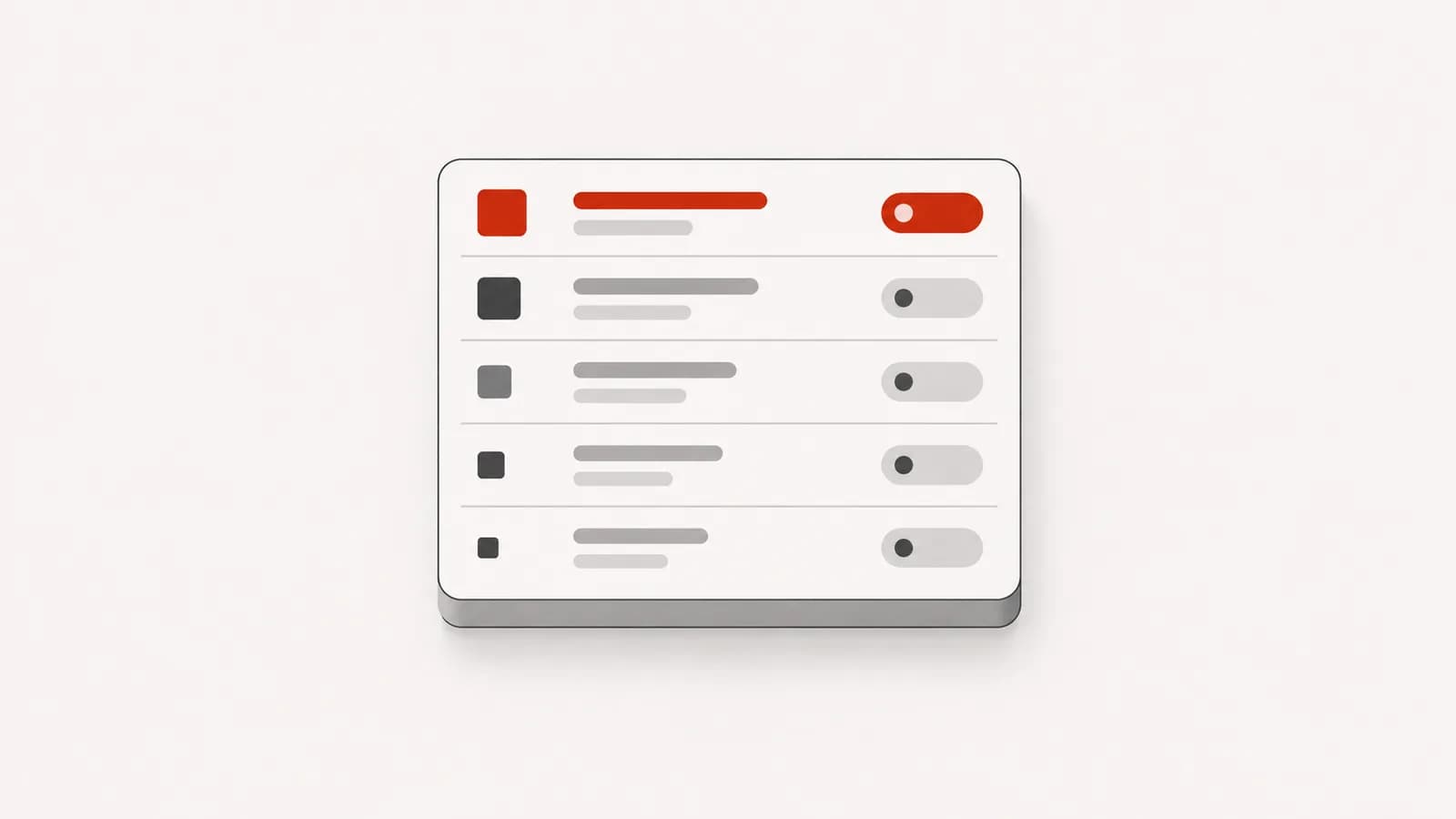
During the takeover, we verified the functions across the board, confirmed the defects, and sorted them by severity. The problems we found went into a defect log that became the basis for remedial development.
A defect log is more than a document where errors are collected. It is the point where problems experienced in operations turn into work that development can act on. There is a difference between saying a problem exists and being able to explain under which conditions it occurs.
The order that matters for understanding this project is here as well. Before making many fixes, the first job was to identify the problems affecting the service and decide the order of improvement.
Weekly improvement, rather than one big replacement
Changing a running service all at once carries a burden. The wider the scope of change, the harder it becomes to tell which fix caused a problem when one appears, and the more operators have to learn at once.
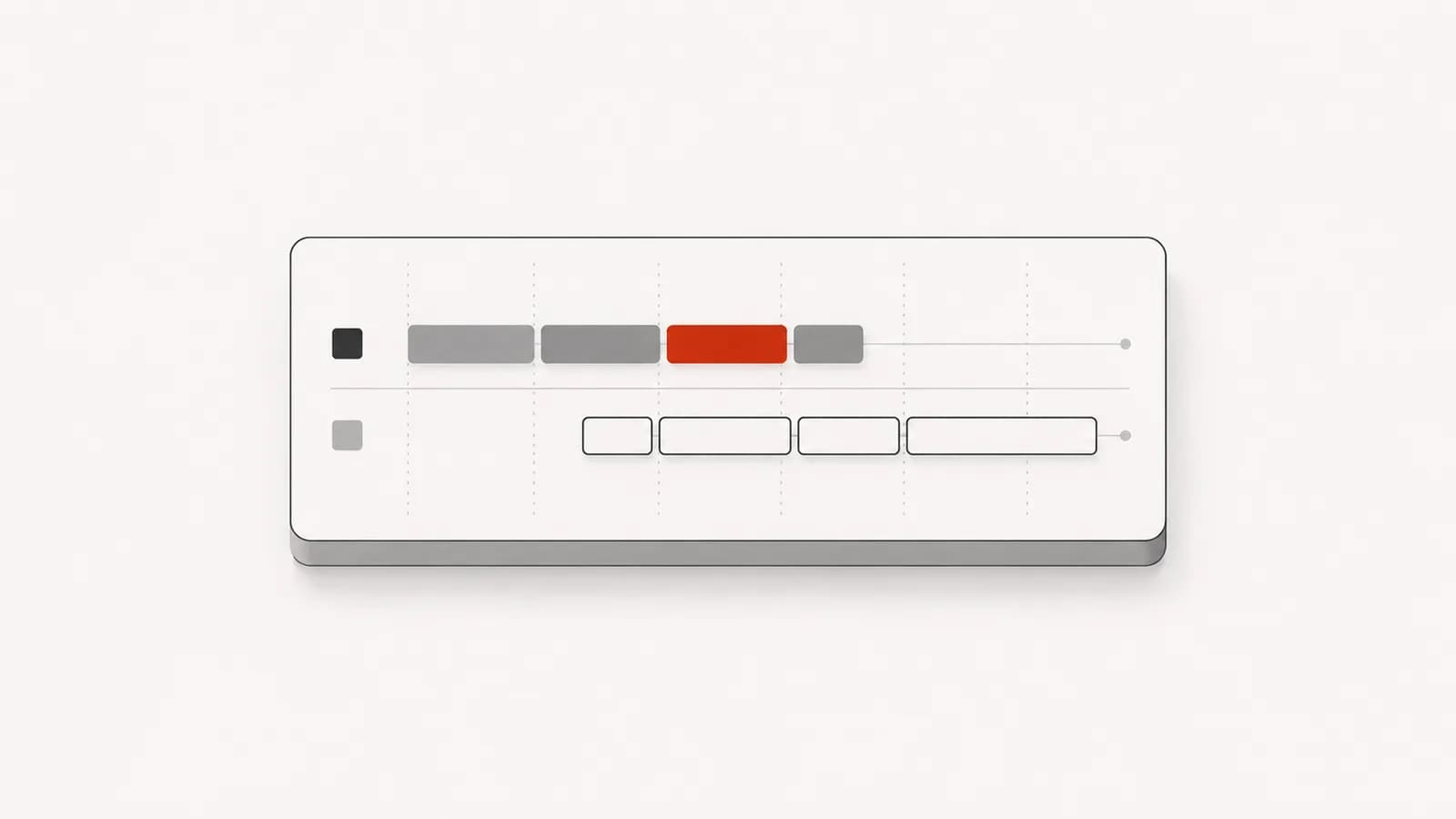
At company N, a standing team continued remedial development and shipped fixes weekly. Problems found in verification were handed to development, and the flow of those changes reaching the live service was repeated.
The weekly cadence itself is not the right answer for every project. What matters more is a path where fixes do not sit waiting in a long queue but lead to operational improvement. The team has to be able to explain what will change in the next release, and there has to be a team to handle that change after it ships.
Stabilizing a service is closer to this kind of repetition than to a single declaration of completion. What was needed was not time spent waiting for someone's answer after an error was found, but a process that carried confirmed problems into actual changes.
We did not leave operations in the gap between QA and development
Even when someone has fixed the code, work can stall again if a different person handles the deployment path. Passing on a problem found in operations can mean repeating the same explanation several times.
IXC took on cloud operations alongside remedial development. Deployment and incident response were connected within the same team as development and verification.
Errors do not disappear simply because one team is in charge. The point of this arrangement is the continuity of responsibility. Who fixes a problem revealed in verification, where the fixed result is applied, and who checks again when a further problem appears in operation all connect.
For an organization weighing whether to commission feature development alone or to entrust maintenance of an existing service as well, this is the distinction to draw. The ability to build one more feature and the ability to keep changing a service that is already running overlap, but they are not the same scope of work.
After stabilization, the next task was recurring payments
Since the service was stabilized, billing based on card auto-payment has been in preparation. To handle transactions that occur on a regular basis, the plans, the retry after a failed payment, and the customer notices are being settled first.
Recurring payment is hard to see as merely authorizing a card one more time. The state billed to the customer and the state the service recognizes must not diverge, and the next action on failure has to be decided as well.
For example, the fact that no payment response was received is not enough to declare a failure. A procedure is needed to confirm that a transaction already processed is not billed again. Only when such exceptions are considered together does billing become a feature that can be operated.
The billing build is currently in progress. Building on the development, verification, and operations flow established during stabilization, the plans and payment exception conditions are being carried into the next feature.
What this project changed was the step after the error list
At company N, the results of across-the-board QA became the order of remedial development, and the service was stabilized through weekly releases and cloud operations. The core of this project is that verification, fixing, and releasing were not left as separate tasks.
What an organization taking over an existing service needs is not source code alone. It also needs records that can explain the current state, a standard for deciding what to change first, and a team that can carry changes into operations.
The approach this case shows is clear. Rebuilding a service does not only mean building it again from scratch. It also means making the process of confirming today's problems, fixing them, and applying them in operations sustainable.